


Statement by the Management Board of J.S. Hamilton Poland regarding the laboratory in Gdynia
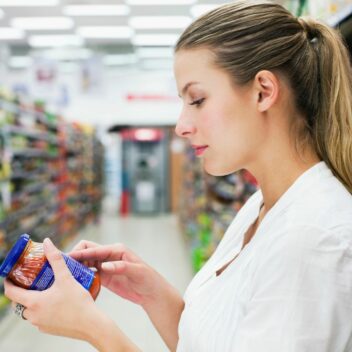
Mandatory nutrition declaration on food labels Providing nutrition information on food labels, in accordance with Regulation (EU) No 1169/2011 of the European Parliament and of the Council, is mandatory for most food products intended for sale to the final consumer. The aim of this regulation is to ensure consistent presentation of nutritional data across the …
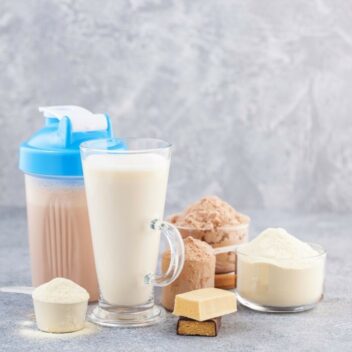
The functional food market is developing at a rapid pace, and high-protein products have become one of the hottest nutritional trends in recent years. Today, you can find almost everything in a “protein” version on store shelves — from bars and yogurts to breakfast cereals and protein drinks. Consumers increasingly reach for products labeled “high …
Since prehistoric times, humans have domesticated many species of animals, both companion animals and those of economic importance. Among human companions, dogs and cats are the most popular, but ornamental birds, small mammals, including rodents, ornamental fish, and amphibians, reptiles, and invertebrates, most often kept in terrariums, also constitute a very large group. The annual …
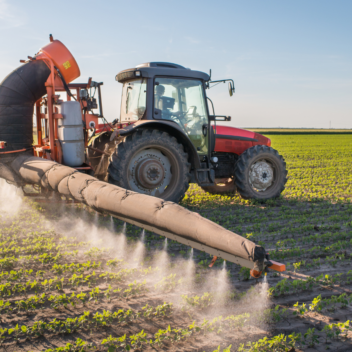
Modern agriculture and horticulture increasingly use substances that are not classic plant protection products, but have a significant impact on the physiology and quality of crops. This group includes ethephon (2-chloroethylphosphonic acid), which is classified as a systemic growth regulator. Its special role is that it is easily absorbed by plants and, after application, releases …
Why is shelf-life so important? Shelf-life is one of the key features of any food product – from raw materials, through semi-finished goods, to finished products. Each product should have a clearly defined date, and its duration is influenced by producers, suppliers, and even consumers. Shelf-life is defined as the period from the moment of …
Where do metals in food come from? Metals and their compounds naturally occur in the environment—they are present in soil, water, and air. However, their levels in food can also increase due to human activity, including industry and agriculture. They can also enter food during processing or storage. The main concern is long-term exposure, as …
How the Potato Took the Hard Way to Europe The domestication of the potato took place around 8,000 years ago in the Lake Titicaca region, located in the Andes on the border of present-day Peru and Bolivia. The potato was brought to Europe in the 16th century by the Spanish. Initially, it was met with …
Viruses as an Invisible Threat to Food Safety Fresh fruits and vegetables are commonly considered a healthy and safe dietary choice. However, despite their nutritional value, they can be a potential source of foodborne viruses—especially if they haven’t been properly cleaned or have been contaminated during production and distribution. The viruses most commonly associated with …
This is the third and final part of our series on changes in MRL standards, if you haven’t seen the previous publications – we encourage you to read part one and part two. Active substances are withdrawn or their approvals are not renewed when they do not meet current safety or quality criteria established by …
This is the second part of the article on the changes in the MRL standards – if you haven’t seen the first one yet, you can read it in the first part of the article. 1,4-dimethylnaphthalene and fluopyram According to Commission Regulation (EU) 2024/2640 of 9 October 2024, there have been changes since April with …
Regulation (EC) No 396/2005 of the European Parliament and of the Council of 23 February 2005 on maximum residue levels of pesticides in or on food and feed of plant and animal origin, as amended – establishes maximum levels for pesticide residues (MRLs) in food and feed in the European Union. It aims to ensure …
We would like to inform you that as of 21 March 2025, the laboratory of Hamilton UO-Technologia Sp. z o.o. has been officially approved in the QS Qualität und Sicherheit GmbH system. The QS system is one of the most recognised quality assurance systems in the food chain in Europe. The approval means that our …
On the occasion of Easter, we would like to extend our best wishes to all our customers and business partners. May this time be full of peace, joy and inspiration for new challenges!
May we send best wishes and seasonal greeting to all our Customers and Business Partners, together with prosperity and good health for everyone and their families in 2025.
On October 12-13 in Warsaw, the European Commodity Exchange took place . The event, which brings together the most important representatives of the agro-food sector, had the opportunity to host Central and Eastern Europe for the first time in its long tradition. The 63rd edition of the European Commodities Exchange was one of the important …
Clinical tests are supposed to certify that the properties of a food supplement match the manufacturer’s declaration. They involve the evaluation of volunteers’ opinions after using the preparation with unified verification standards. The tests are conducted on a selected group of several dozen volunteers who test the product under specific conditions and time restrictions. …
According to the FAO / WHO experts some Polycyclic Aromatic Hydrocarbons (called PAHs) are genotoxic carcinogens . PAHs can contaminate foods during smoking or drying processes as well as in the result of environmental contamination ( particularly fish and fish products are vulnerable to contamination). In respect to PAHs, the Commission Regulation ( EC) No 1881/ …